Craft6 min read·May 15, 2026
Sarah Baker · Crosodo Editor
Active starter vs discard
Active starter vs discard: what each means, when to use them, how they affect rise and flavor, and which recipes work best.
Related on Crosodo
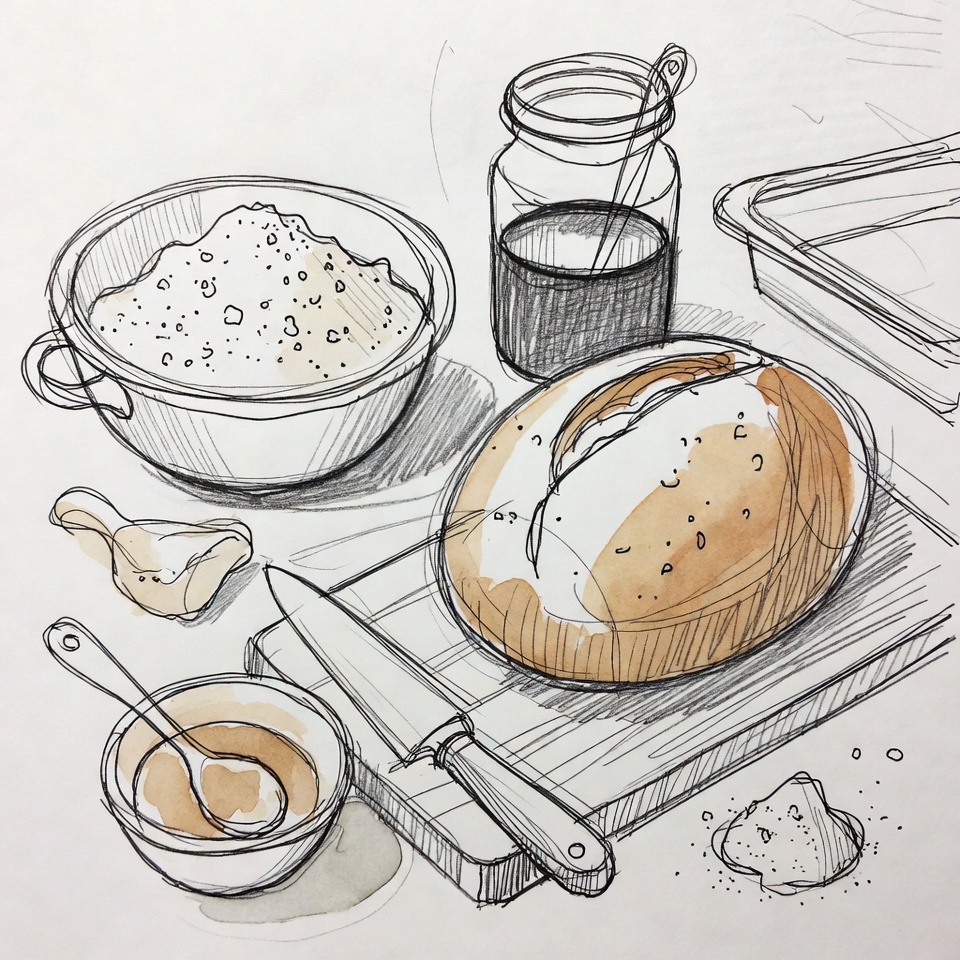
Active starter and discard are made of the same basic thing: flour, water, wild yeast, and bacteria. The difference is timing and strength.
the difference
- Active starter
- Recently fed, rising or peaked, strong enough to leaven bread.
- Discard
- Unfed or leftover starter, useful for flavor but often not strong enough to raise bread alone.
when to use active starter
Legal check
Can I sell this under cottage food law? →Pick your state and product — instant verdict before market day.
- Country loaves like the beginner sourdough boule.
- Bagels, rolls, enriched dough, and recipes where sourdough is the primary leaven.
- Any bake where structure and lift matter.
when to use discard
- Cookies, crackers, pancakes, and discard focaccia.
- Recipes with baking powder, baking soda, eggs, or commercial yeast for backup lift.
- Savory bakes where acidity is welcome.
Where to go next
For discard ideas, use sourdough discard recipes. For weak starter problems, read why won't my starter rise.
Crosodo Journal entries are recipe, craft, and cottage-food notes for home bakers. Recipes assume an active starter and basic equipment. Cottage food sales are governed by your state's law — start with the free state directory, check a product with Can I sell this?, or grab a label template. Not legal advice.