Sourdough croissants with cold fermentation
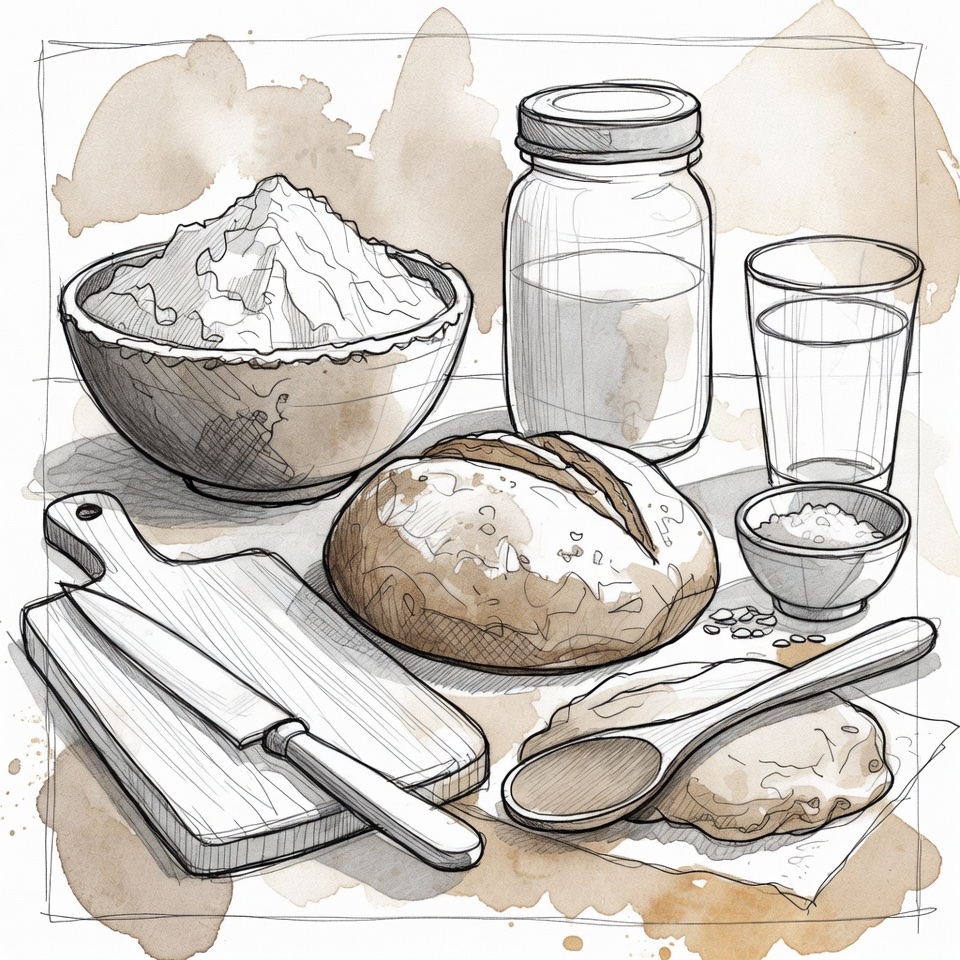
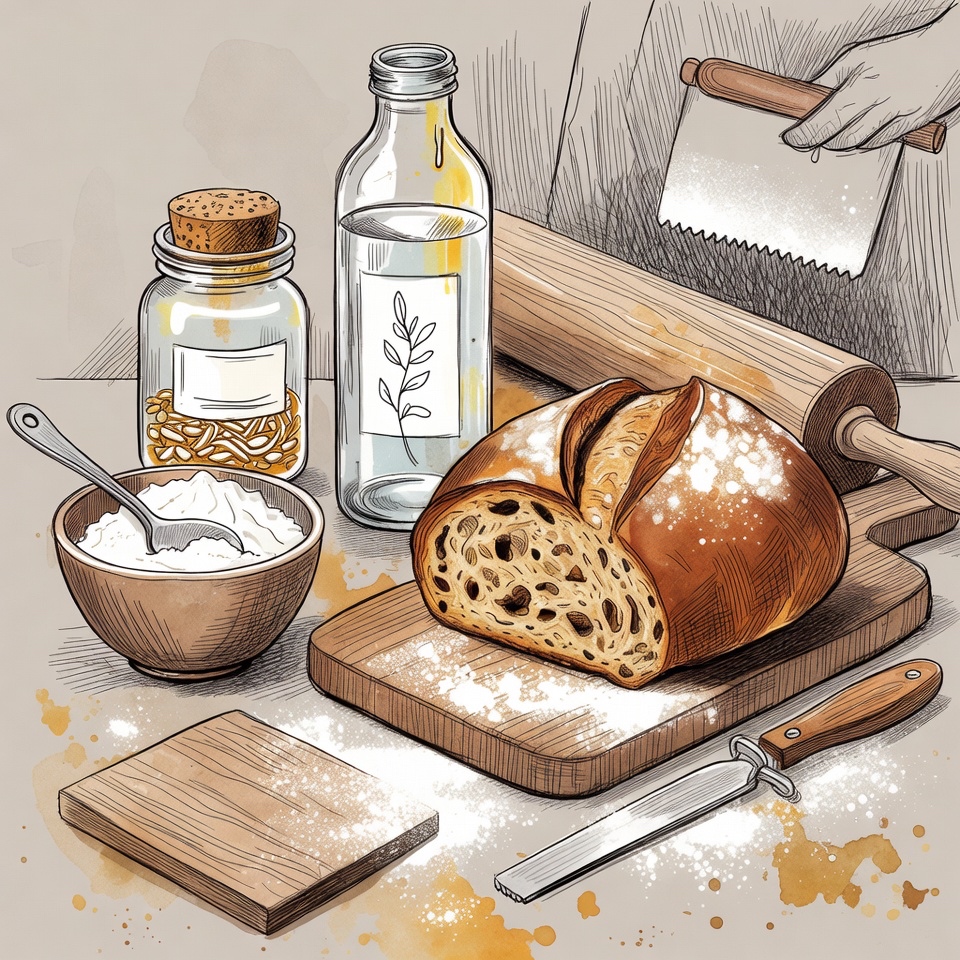
A pure sourdough croissant — no commercial yeast, deeper flavor, 4-day timeline. The lamination technique is the same; the proof is different.
Yeasted croissants are about texture. Sourdough croissants are about flavor — the same buttery flake with a faint, complex tang that you only get from a long, cold fermentation. Add one extra day to your timeline and the trade is worth it.
Why this works
Sourdough croissants need a longer proof because wild yeast moves slower at low temperatures. The advantage is that lamination is easier — the cold ferment keeps the butter firmer for longer, so layers stay distinct. The flavor payoff is significant: more complexity, less yeasty sweetness.
At a glance
- Yield
- 12 croissants
- Prep
- 2h
- Cook
- 20 minutes
- Total
- PT4D
Ingredients
- Bread flour
- 500 g
- Cold whole milk
- 140 g
- Cold water
- 100 g
- Active starter (peak)
- 100 g
- Sugar
- 50 g
- Salt
- 12 g
- Soft unsalted butter (dough)
- 40 g
- European butter (block)
- 280 g
- Egg wash
- 1
Equipment
- Stand mixer with dough hook
- Long rolling pin
- Bench scraper
- Parchment, plastic wrap, sheet pan
- Pizza wheel
Pick your state and product — instant verdict before market day.
Directions
Common questions
Baker notes
- Use the same butter as yeasted croissants: 82%+ European-style.
- If proof seems slow, push to 6 hours rather than raising temperature — the layers depend on butter staying firm.
- The flavor improves further if baked from cold — proof, refrigerate 30 minutes, then bake.
FAQ
Is the flavor really different?
Yes — noticeably. A blind taste test almost always picks the sourdough version for depth, even when the yeasted version is technically more uniform.
Where to go next
Once you have made a yeasted croissant well, the sourdough version is the natural next step. Same skill, deeper payoff.
Crosodo Journal entries are recipe, craft, and cottage-food notes for home bakers. Recipes assume an active starter and basic equipment. Cottage food sales are governed by your state's law — start with the free state directory, check a product with Can I sell this?, or grab a label template. Not legal advice.