Selling cottage food in Nevada (2026 guide)
A plain-English walkthrough of Nevada's cottage food rules — who needs to register, what you can sell, the labeling requirements, and how the sales cap actually works. Includes the official statute, the state department links, and a county-level companion guide.
If you bake out of your home in Nevada, the rules you live by are set by the state's cottage food law — currently [Nevada Revised Statutes Chapter 446 — Food Establishments, Section 446.866: Exemption from certain requirements; certain local governing bodies prevented from prohibiting cottage food operations; registration; fee; inspection. [Repealed 2025 — see AB352, Statutes of Nevada 2025, chapters 420 and 512]](https://www.leg.state.nv.us/nrs/NRS-446.html#NRS446Sec866). It's a Okay-tier law on the Crosodo scale: operable for a side business, but you'll likely outgrow the rules at scale. This post is the plain-English version. The full breakdown — every county-specific zoning rule, the registration link, the latest verified statute citation — lives on the Crosodo Nevada state guide and the Nevada state report
Not legal advice. We're a small apparel brand that cares about home bakers. For anything serious, read the law directly and call the Nevada Division of Public and Behavioral Health.
The quick facts
- Cottage food tier
- Okay
- Annual sales cap
- $35,000 per year
- Registration required
- Yes
- Kitchen inspection
- No
- Food handler certification
- No
- Indirect sales (retail/online)
- No — direct-to-consumer only.
- Statute
- NRS §446.866 (repealed 2025; superseded by AB352/chapter 420 & 512, Statutes of Nevada 2025)
What you can sell
Non-potentially-hazardous foods prepared in the kitchen of the operator's primary private home (or approved nonprofit kitchen) may be sold directly to consumers in person. Under the pre-2025 law, allowed items included baked goods, candy, jams, dried foods, and other non-TCS foods. AB352 (2025) expands the definition to include certain acidified foods and raises the sales cap to $100,000; the new law also allows phone and internet sales with in-person or mail/delivery service fulfillment.
What's specifically excluded
Potentially hazardous foods (time/temperature control for safety foods) are prohibited under the cottage food framework. Under the pre-2025 law, online and phone sales were prohibited (in-person only). The operation must be run by a natural person (not an organization). Products cannot be sold wholesale to distributors, retailers, or restaurants.
Where you can sell
Nevada is a direct-to-consumer state under cottage food. That means farmers markets, home pickup, delivery you do yourself, roadside stands, and similar in-person channels. Selling through a grocery store, restaurant, or third-party retailer is not covered by the cottage food law — that's a commercial license question. See cottage food vs commercial kitchen for the move-up decision.
Exact fields, disclaimer wording, and a copy-paste template for this state.
Labeling requirements
Labels must comply with federal labeling requirements (21 U.S.C. §343(w), 9 C.F.R. Part 317, 21 C.F.R. Part 101) and must prominently state: 'MADE IN A COTTAGE FOOD OPERATION THAT IS NOT SUBJECT TO GOVERNMENT FOOD SAFETY INSPECTION.' Labels must also include the product name, ingredient list in descending order by weight (with sub-ingredients), allergen information, and the name and physical address of the producer.
Texas has the most detailed plain-English label walkthrough we've published — the structure translates well to most other states. See how to label cottage food in Texas for a copy-paste template you can adapt for Nevada.
Common questions
Do I need to register before I start?
Yes. Start at the Nevada Division of Public and Behavioral Health.
Do I need a food handler certification?
No — Nevada does not require a state-level food handler certification for cottage food. Many bakers take ServSafe Food Handler anyway (it's about $15 and takes 90 minutes); it's good practice and useful if a farmers market manager ever asks.
Is my home kitchen inspected?
No — Nevada does not require routine home kitchen inspections for cottage food. That's the whole point of the law: your kitchen isn't a regulated facility.
What's the sales cap?
$35,000 per year. Caps are gross sales, not profit. When you start approaching the cap, that's the signal to read cottage food vs commercial kitchen — it walks through the move-up math.
If you're just starting out
- Read your statute. NRS §446.866 (repealed 2025; superseded by AB352/chapter 420 & 512, Statutes of Nevada 2025) It's shorter than you think.
- Check your county. State law is the floor; your county can add zoning rules on top. The Crosodo Nevada state guide lists the top counties with their specific requirements.
- Pick what you'll bake. The top selling sourdough loaves and beyond bread (cookies, buns, scones) posts cover what tends to actually sell at farmers markets.
- Price it right. The cottage baker pricing post walks through unit economics — most new bakers underprice by 30%.
- Label it correctly. Adapt the Texas label template to Nevada's required disclaimer language.
- Set up your back office. The cottage baker software stack post covers what we use day-to-day.
Official sources
- NRS §446.866 (repealed 2025; superseded by AB352/chapter 420 & 512, Statutes of Nevada 2025)
- Nevada Division of Public and Behavioral Health
- State extension service guidance
- Forrager — Nevada
- Crosodo Nevada state guide
- Crosodo Nevada state report
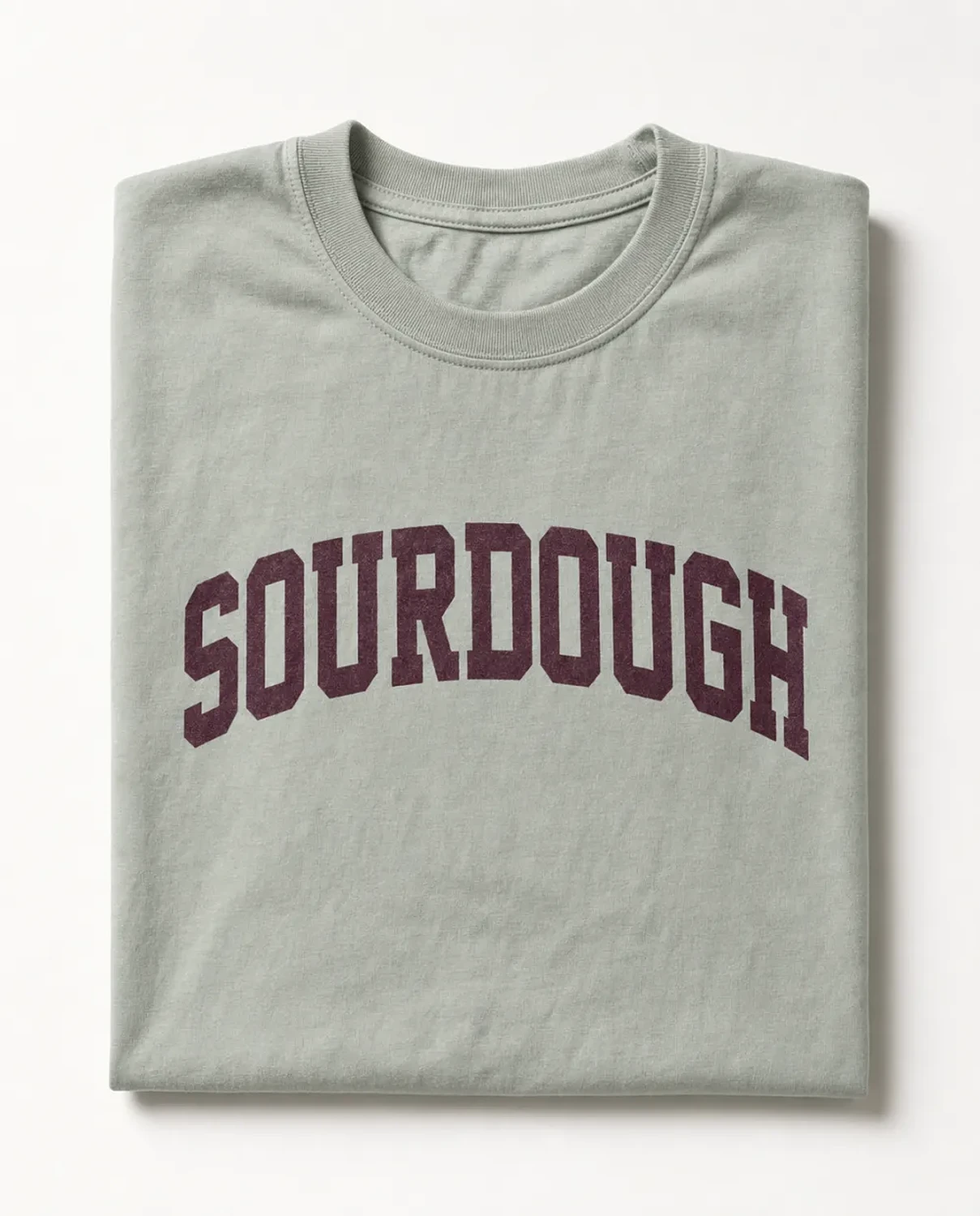
If your county is missing from our Nevada directory, tell us and we'll add it next. And if you want one of our sourdough varsity shirts while you proof your starter, the shop is here.
Crosodo Journal entries are recipe, craft, and cottage-food notes for home bakers. Recipes assume an active starter and basic equipment. Cottage food sales are governed by your state's law — start with the free state directory, check a product with Can I sell this?, or grab a label template. Not legal advice.