Banneton vs bowl: use a bowl under 70% hydration
A towel-lined bowl is enough under ~70% hydration. A rattan banneton is the better tool at 75%+ and for overnight cold proofs — taller loaves, drier scoring skin, cleaner release. Full five-vessel table and free PDF below.
Banneton wins for high hydration, cold proofs, and market shape. Bowl + linen wins for beginners and stiff doughs. Glass alone is for bulk ferment. Brotform is the budget middle. No basket only if the dough is stiff enough to stand alone.
Selling your loaves? Check your county's cottage food rules — state + county finder.
Free with a Crosodo account. Last updated .
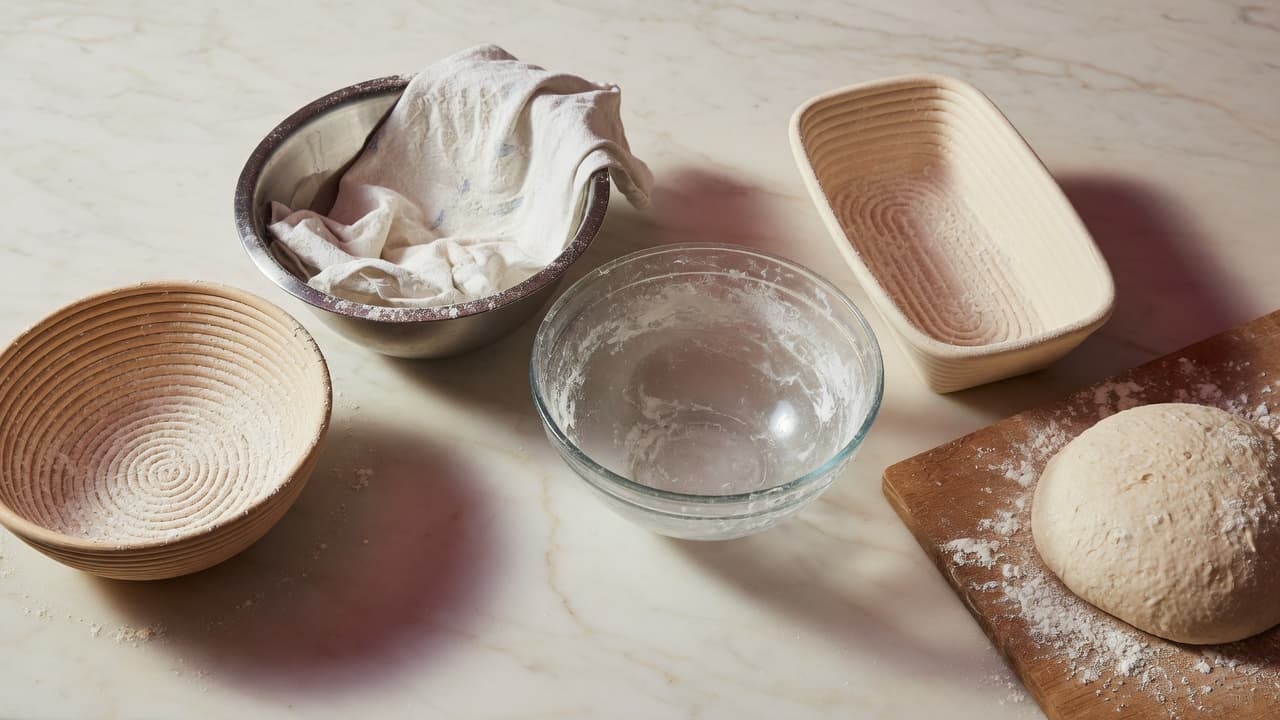
Left to right: rattan · towel bowl · glass · brotform · no basket
Banneton vs bowl vs glass vs brotform vs no basket
The search is usually “banneton vs bowl.” In a real kitchen you also choose glass, wood-pulp or plastic brotforms, and free-form board proofs.
| Vessel | Structure | Wicking | Best hydration | Cost | Best for |
|---|---|---|---|---|---|
| Rattan banneton | Excellent | Strong | 75%+ | $15–30 | Weekly high-hydration bakes, overnight cold proof, market loaves, batards (oval basket) |
| Bowl + linen towel | Fair | Moderate | ≤70% | $0–5 | Beginners, low-hydration doughs, short room-temperature final proofs |
| Glass bowl (no towel) | Poor | None | ≤68% only | $0 | Bulk ferment container — not ideal for final proof (condensation + sticking) |
| Brotform (wood pulp / plastic) | Good | Medium / none | 72–78% | $8–20 | Budget upgrade; prefer wood pulp over plastic for cold proofs |
| No basket (board only) | None | None | ≤65% | $0 | Stiff doughs, free-form hearth loaves, pizza-style shapes |
Dough in each vessel
Look for side support, flour skin, and how much the dough spreads. Photos match the free PDF.
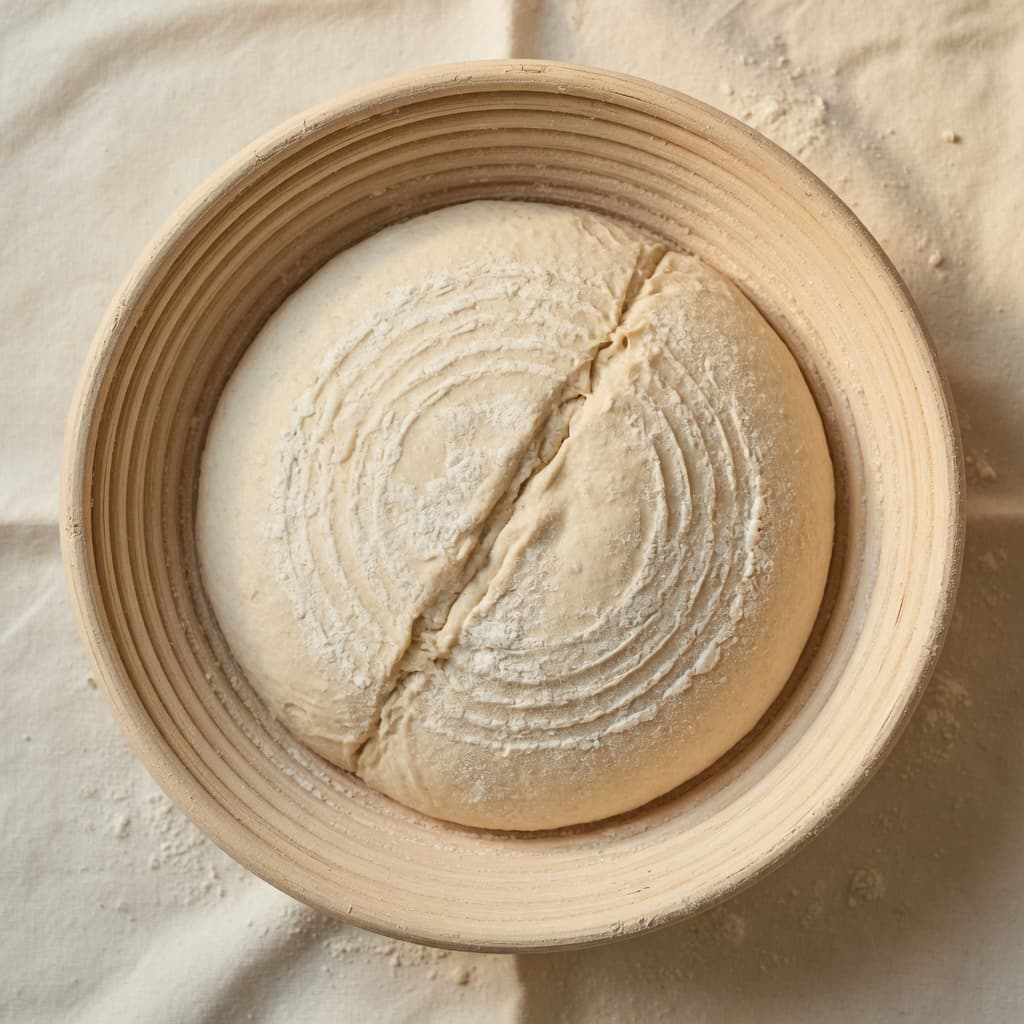
75%+ hydration · $15–30 · excellent structure
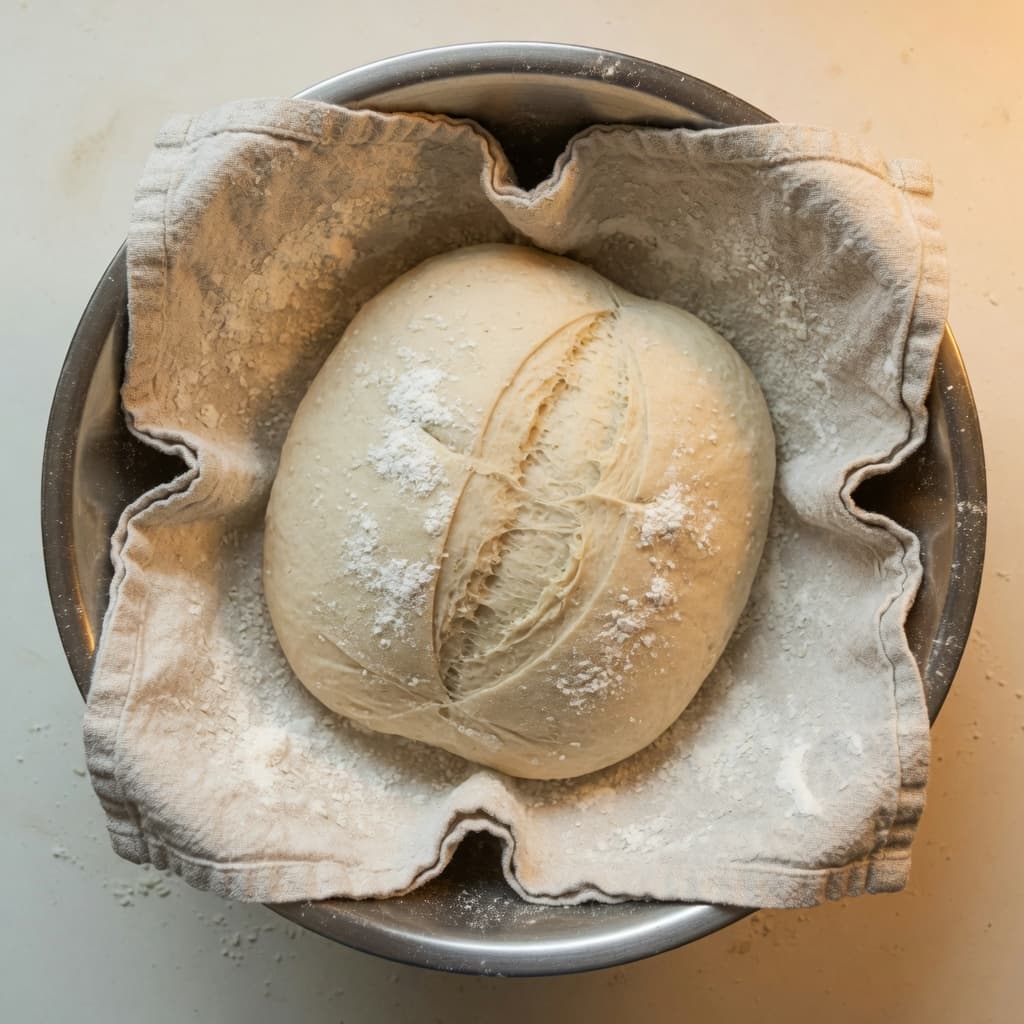
≤70% hydration · $0–5 · fair structure
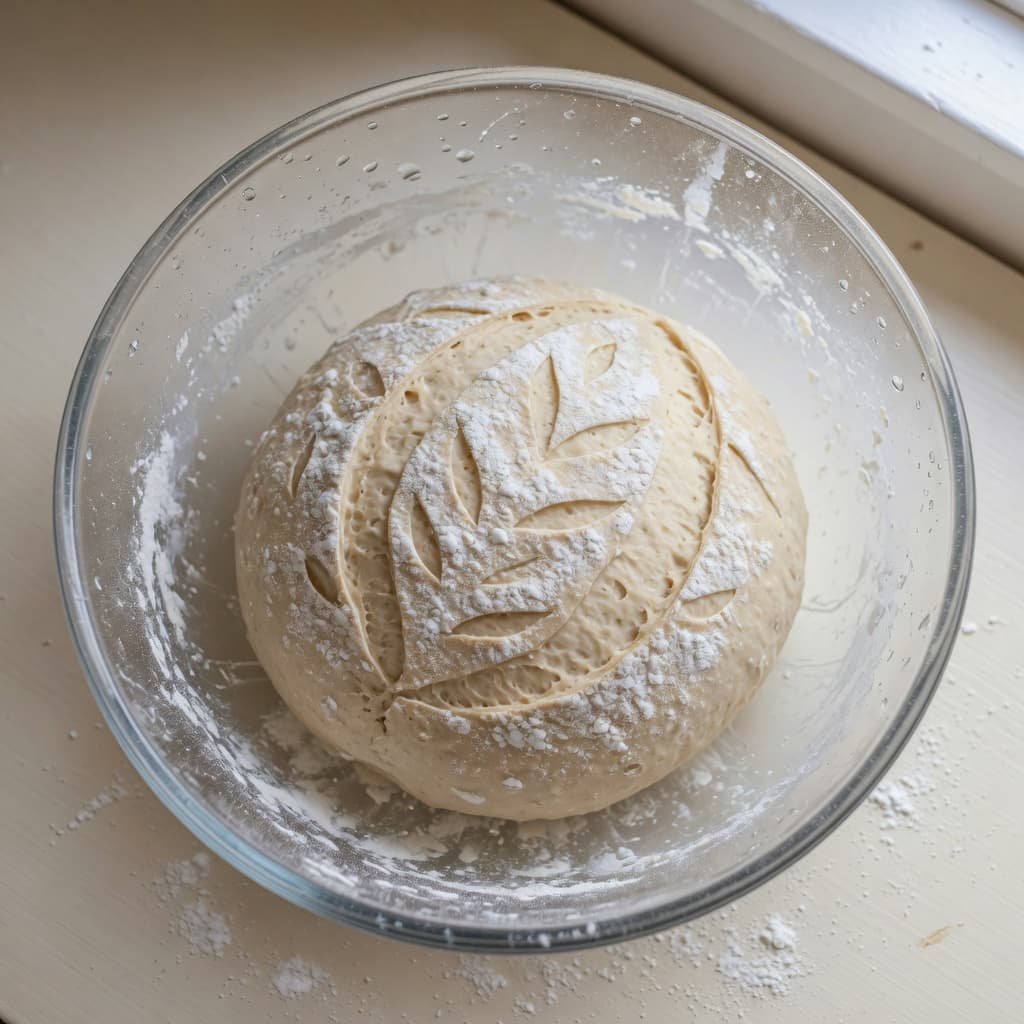
≤68% only hydration · $0 · poor structure
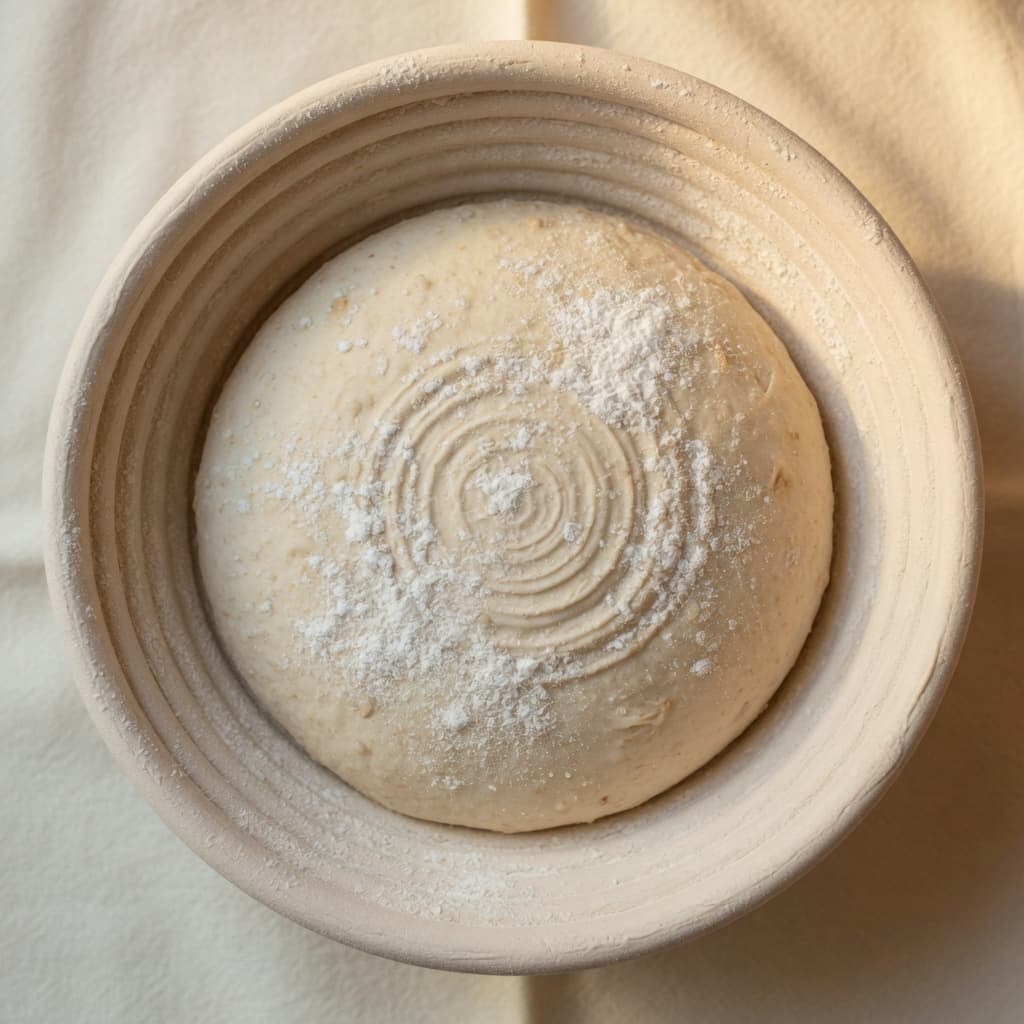
72–78% hydration · $8–20 · good structure
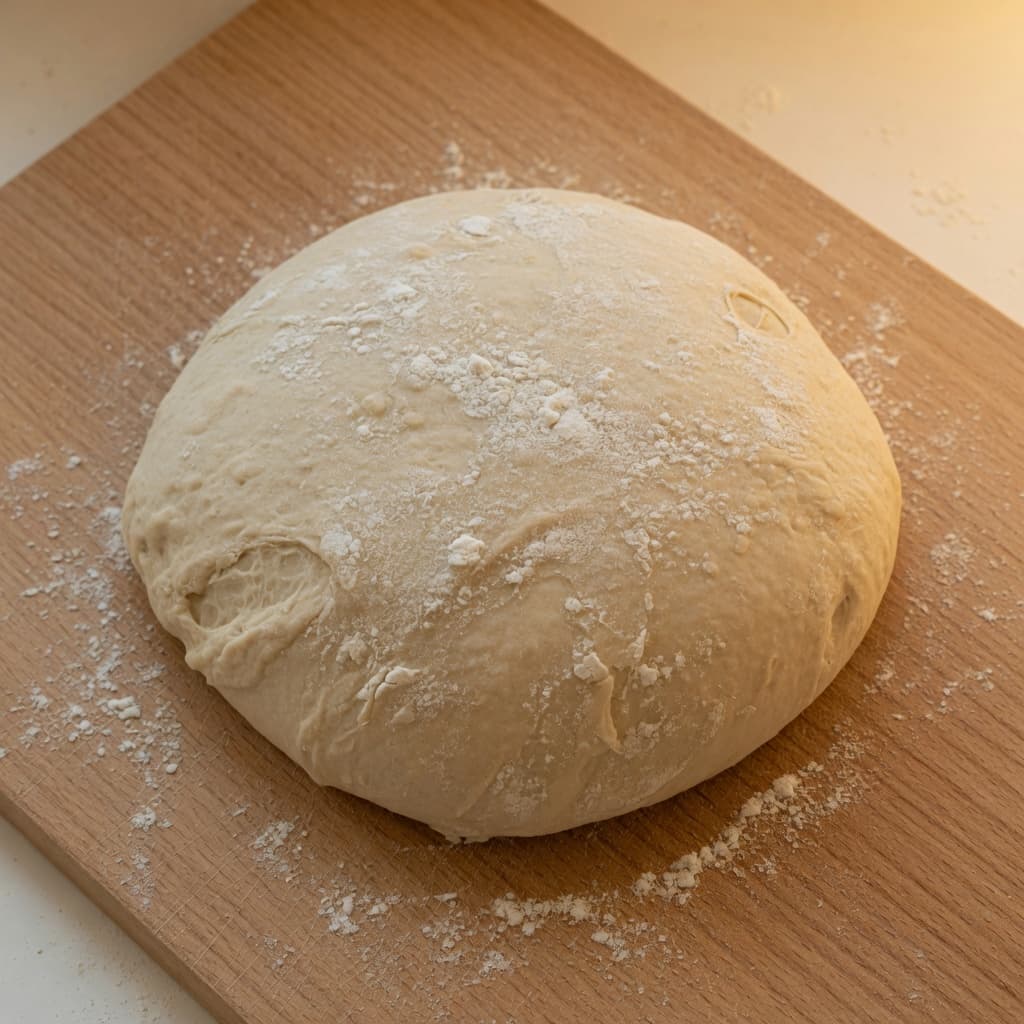
≤65% hydration · $0 · none structure
When each vessel works
By hydration
- ≤65% — board or bowl
- 66–70% — bowl + linen
- 71–74% — either works; basket adds height
- 75–80%+ — rattan banneton
By proof time
- 1–3 hrs room temp — bowl OK if ≤72%
- 4–8 hrs cool — prefer basket or heavy flour
- 12–18 hrs cold — banneton + rice flour
- 18+ hrs cold — seasoned rattan only
By dough type
- Country boule — round 9" rattan
- Batard — oval banneton only
- Whole wheat / rye — basket helps weaker dough
- Sandwich / enriched — often pan-proof
Bulk ferment always in a bowl. A banneton is for the final proof after shaping — not for stretch-and-folds or judging volume rise.
Five steps to the right vessel
- 01Assess hydration
75%+ → banneton. Under 70% → bowl is fine.
- 02Match proof length
Overnight cold proofs need rattan + rice flour.
- 03Pick the shape
Boule = round. Batard = oval banneton.
- 04Dust correctly
Rice flour, generous dusting, season new baskets.
- 05Upgrade for market
Consistent height and ears matter when you sell.
First banneton to buy
Start with a round 9" rattan basket, a linen liner, and rice flour. Links use the same affiliate config as Home Bakery Setup retailer picks — Retailer search links below. Amazon Associates tag is not configured yet (placeholder in lib/affiliate-links.ts) — no invented affiliate tag.
Selling your loaves? Check your county's cottage food rules via the state + county finder.
First basket for 500–750 g boules. Best above 75% hydration and for overnight cold proofs.
A bowl cannot make a batard. Use an oval basket once you want that shape on purpose.
Easier release than a bare towel. Dust with rice flour the same way.
Sticking is almost always flour technique. Rice flour (or 50/50 with bread flour) is the fix.
Banneton vs Bowl Definitive Guide
Rattan, towel-lined bowl, glass, brotform, or no basket — which proofing vessel actually wins. Designed to print and keep beside your scale.
- Five-vessel comparison: banneton, bowl, glass, brotform, no basket
- When each works by hydration, proof time, and dough type
- Photos of dough in each vessel
- Sticking prevention (rice flour + seasoning)
- Banneton size guide and care rules
- Printable decision chart + FAQ
Laws, counties, and product verdicts — free on Crosodo.
Banneton vs bowl FAQs
Do I really need a banneton for sourdough?
+
Can I just use a bowl instead of a banneton?
+
What is the difference between a banneton and a brotform?
+
Do you bulk ferment in a bowl or banneton?
+
What size banneton for a 500g loaf?
+
How do I stop dough from sticking?
+
How much does a banneton cost?
+
Related guides
Craft notes from working cottage bakers — not a substitute for practice with your own dough and oven. Cottage food sales follow state law; start at the free state directory or Can I sell?. Product cards may be affiliate links once a tag is configured.